Why Flatbed Towing Is Safer for Your Car
A wheel-lift is quick, but a flatbed keeps every component of your drivetrain off the ground. Here is when that difference matters.
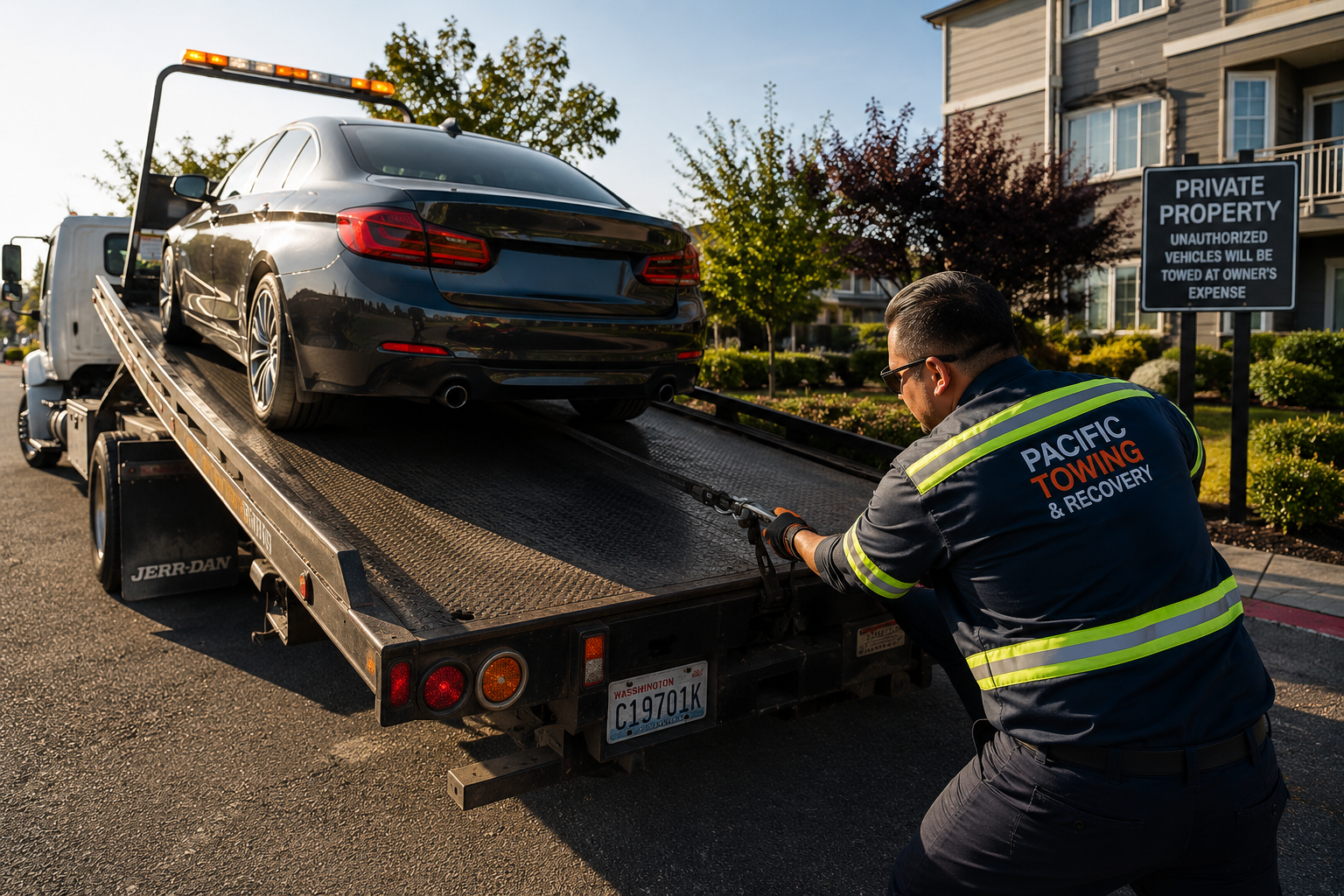
Towing a car by its front wheels while the rear wheels roll is standard — and for a lot of vehicles, completely fine. But for some cars, it is a fast way to a transmission bill. That is where a flatbed earns its keep.
Who needs a flatbed
- All-wheel drive and 4WD vehicles
- Lowered, modified, and sports cars
- Luxury and exotic cars
- Classics and collector vehicles
- EVs where drive wheels cannot freely spin
Why it matters
Letting drive wheels turn while the car is in tow can damage differentials, transaxles, and viscous couplers. The repair bill dwarfs the extra cost of a flatbed call.
What a good flatbed operator does
Uses tie-downs only at manufacturer tow points. Loads slowly to avoid scraping low front splitters. Confirms the parking brake state and drive mode before winching.
Ask for flatbed when in doubt
Tell dispatch the year, make, and model. Our team at flatbed towing will send the right truck without you having to decipher your owner's manual.
We also run flatbeds for long distance towing across Washington.
Need a tow right now?
Pacific Towing & Recovery dispatches 24/7 across the South Puget Sound. One call is all it takes.
Call (253) 350-3874More articles
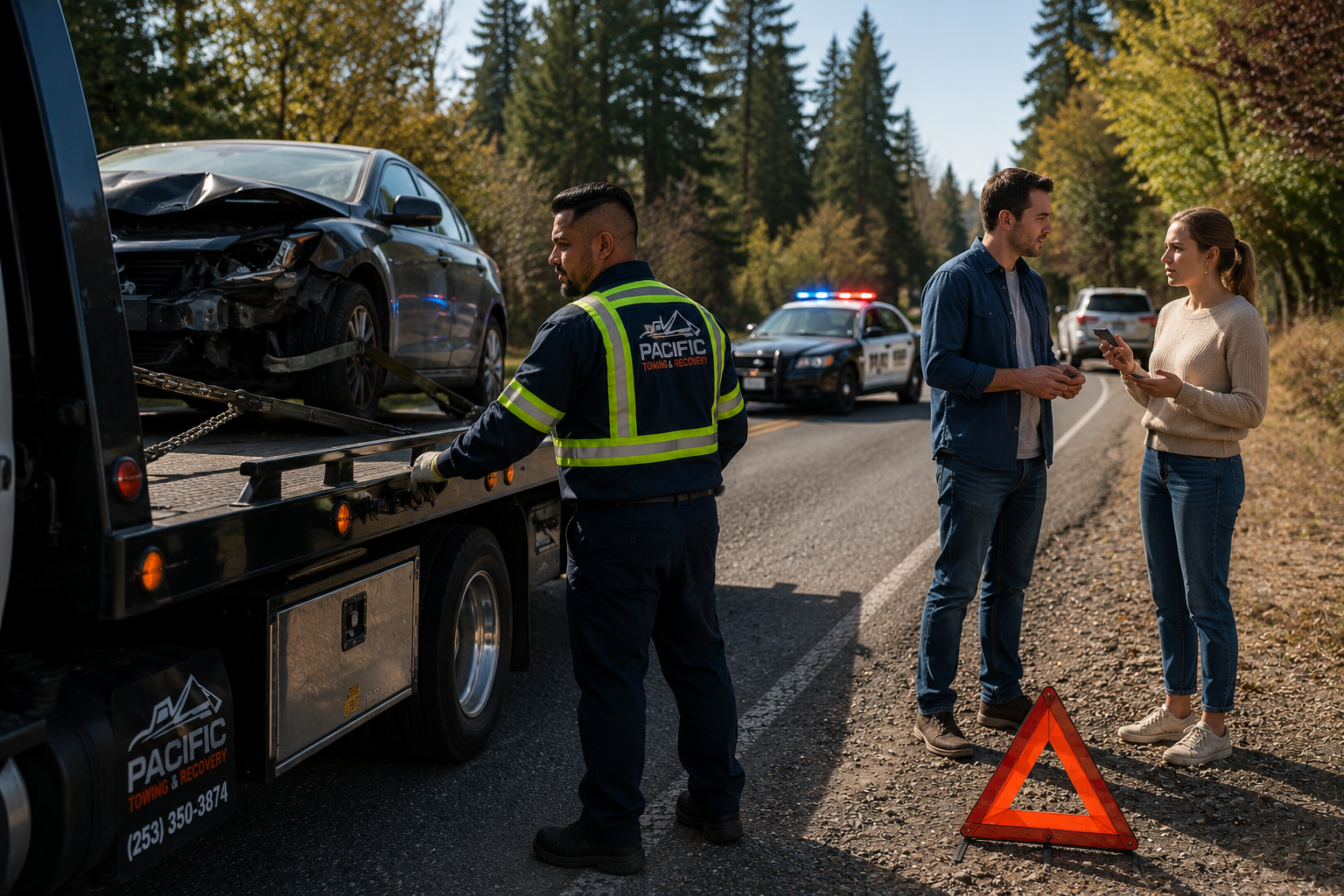
What To Do After a Car Accident in Washington: A Calm, Step-by-Step Guide
A clear checklist for the first 30 minutes after a collision — how to stay safe, document the scene, and get a tow truck on the way quickly.

How To Choose a Reliable Tow Truck Company in Washington
Seven practical checks — from licensing to response time — that separate a professional towing company from a roadside hustle.
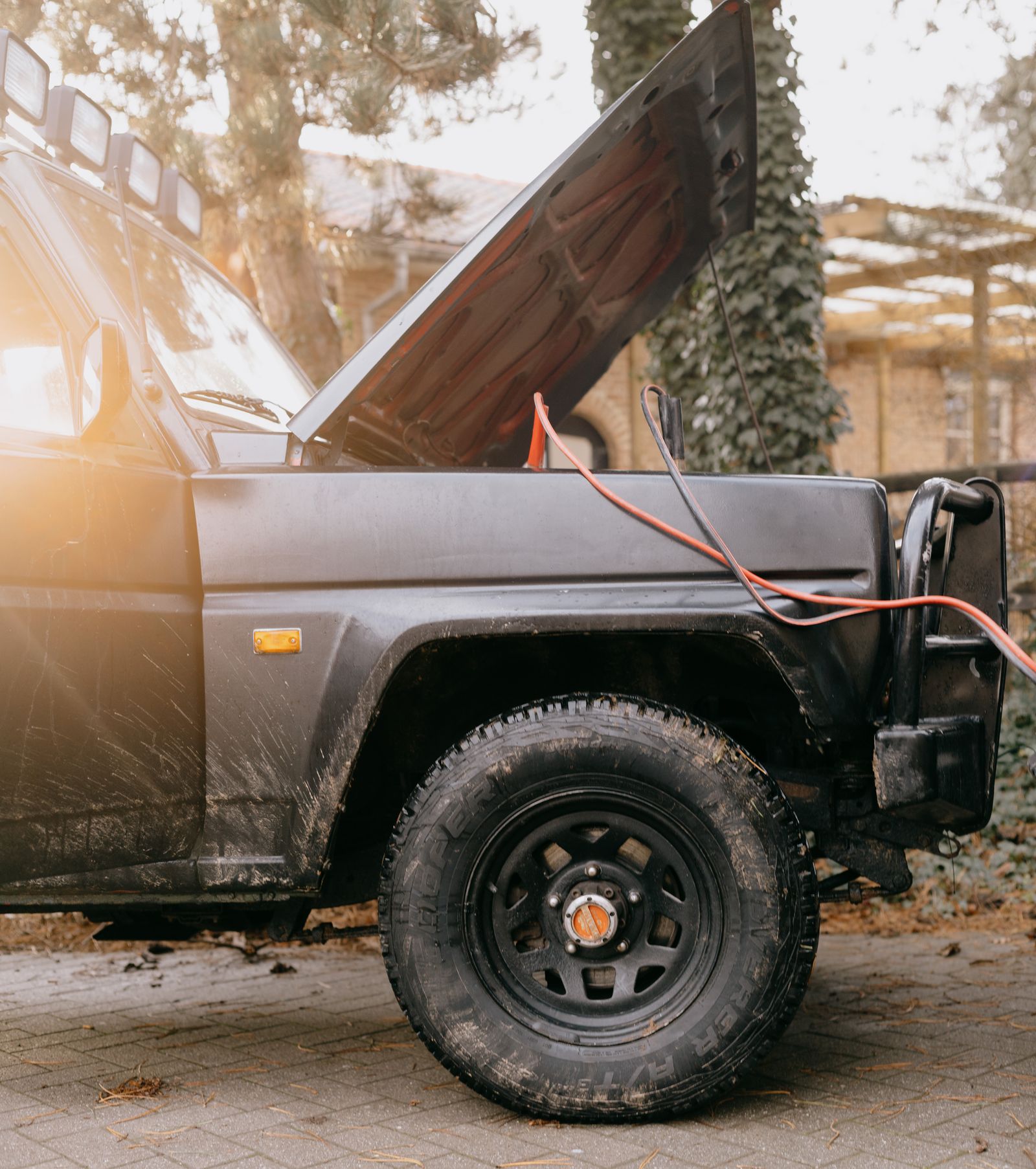
Roadside Assistance Basics Every Washington Driver Should Know
Dead batteries, flat tires, and lockouts happen to everyone. Here is how to prepare — and when to call for help.