
Preparing Your RV or Motorhome for a Long-Distance Tow
An RV tow is not like a car tow. Here is what to do before the truck arrives so nothing gets damaged in transit.
RVs are heavy, tall, and full of cabinets, appliances, and water lines. A careless tow can cause damage you will not notice until the next trip. A little prep protects the rig and the people moving it.
Before the truck arrives
- Empty fresh, gray, and black water tanks
- Latch every cabinet and close the refrigerator
- Secure loose items inside with bungees or in totes
- Retract slide-outs, awnings, and TV antennas
- Check tire pressure and condition
- Know your GVWR and the location of tow points
Choose the right class of truck
Class A, C, and fifth-wheels usually need a medium- or heavy-duty tow. Our medium duty towing fleet handles most RVs, and our heavy duty towing wreckers pick up where that leaves off.
Keys and paperwork
Have registration and insurance ready. If you are not going with the vehicle, leave a signed authorization and a receiving contact at the destination.
On the road
Long runs mean more stops. Ask your dispatcher about fuel and rest windows, and keep your phone charged in case your driver needs to reach you. For cross-state moves, see long distance towing.
Driving through our area? We cover RV tows across Tacoma, Puyallup, and everywhere in between.
Need a tow right now?
Pacific Towing & Recovery dispatches 24/7 across the South Puget Sound. One call is all it takes.
Call (253) 350-3874More articles
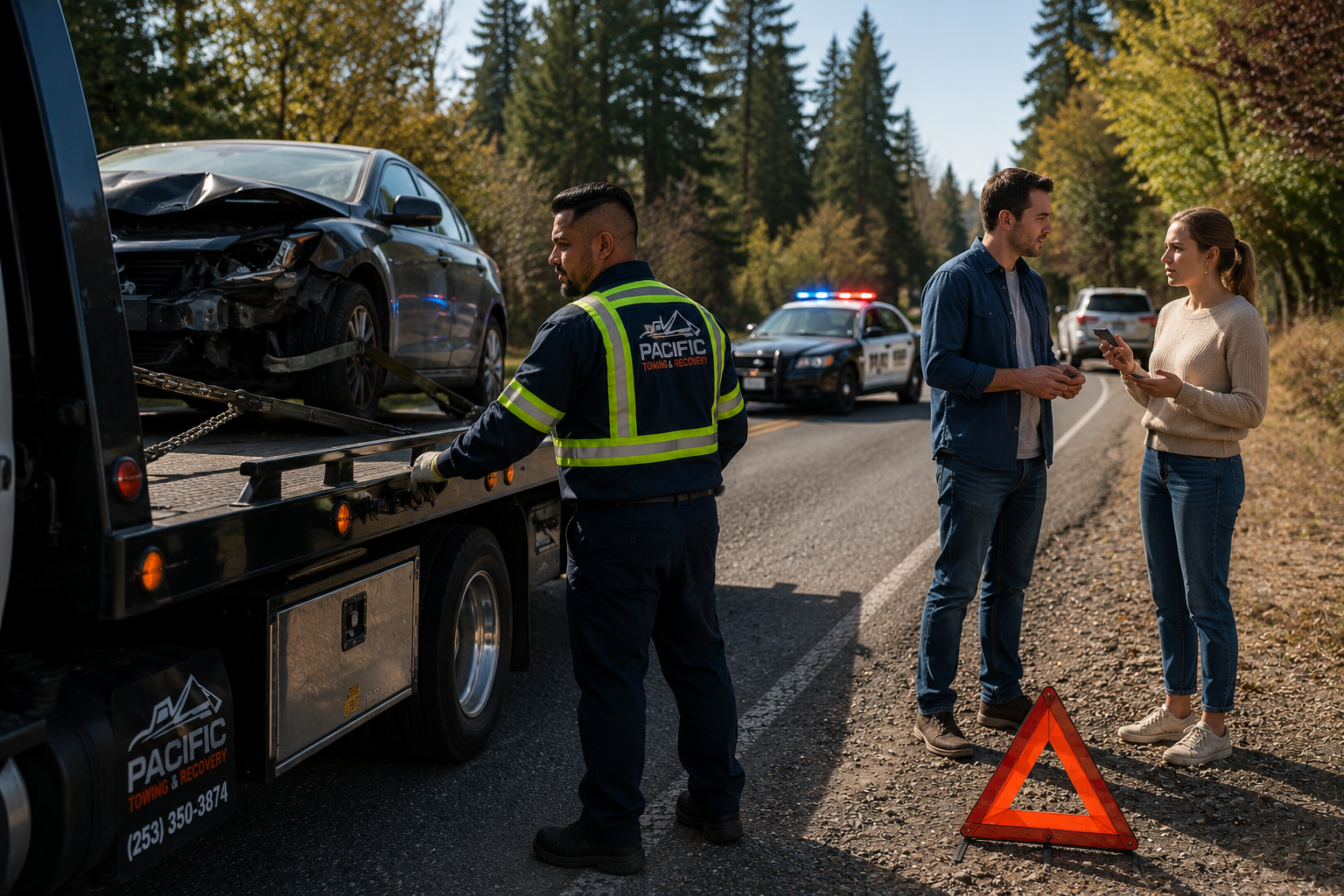
What To Do After a Car Accident in Washington: A Calm, Step-by-Step Guide
A clear checklist for the first 30 minutes after a collision — how to stay safe, document the scene, and get a tow truck on the way quickly.

How To Choose a Reliable Tow Truck Company in Washington
Seven practical checks — from licensing to response time — that separate a professional towing company from a roadside hustle.
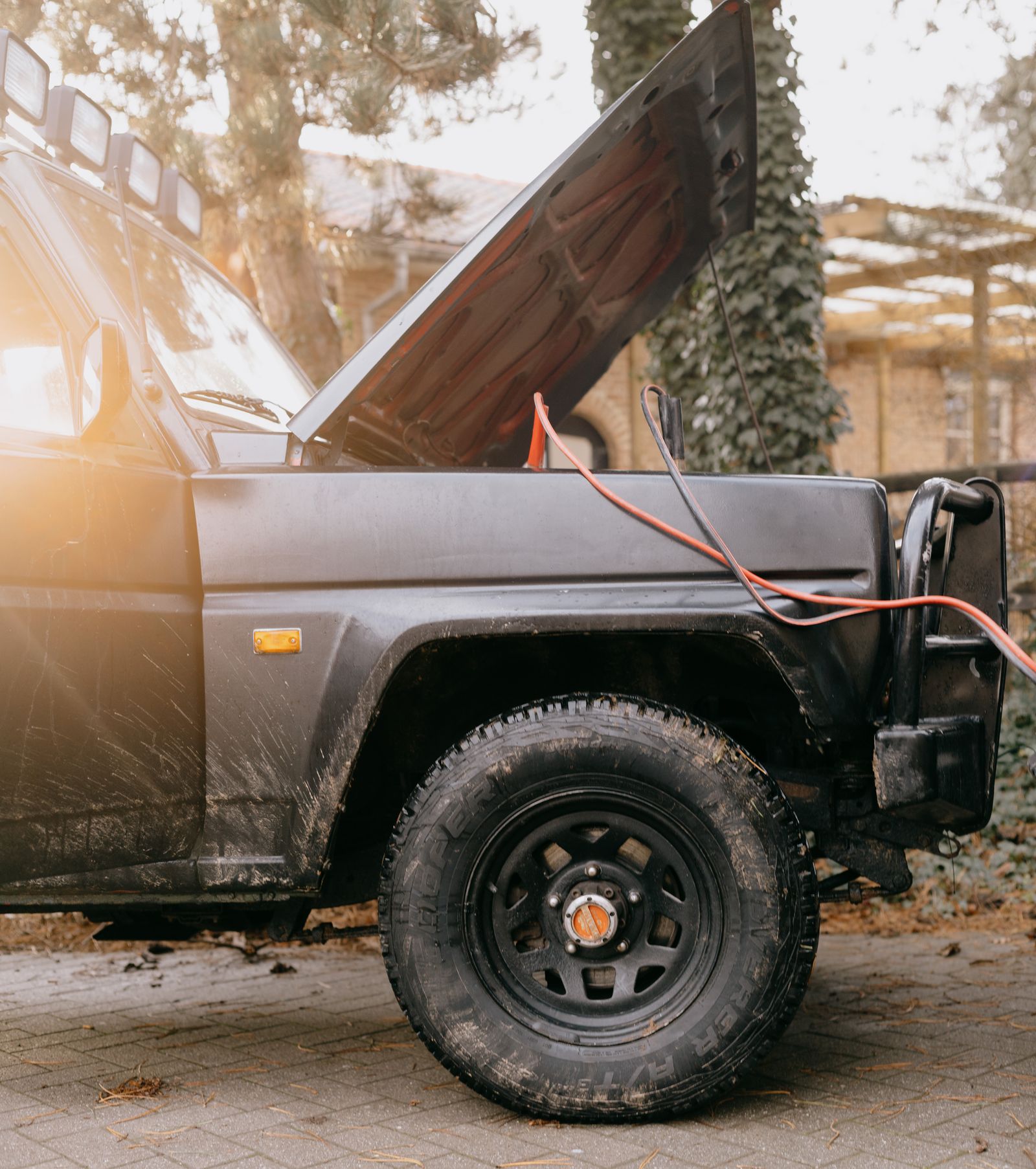
Roadside Assistance Basics Every Washington Driver Should Know
Dead batteries, flat tires, and lockouts happen to everyone. Here is how to prepare — and when to call for help.